
Ride, Transit, Hike: Unlock the Trailhead Without a Car

Today we dive into Bike-and-Transit Access to National Trail Day Hikes: Last-Mile Strategies, celebrating low-carbon adventures that connect city stations to dirt paths. Expect practical planning tactics, confidence-building stories, and field-tested tips to help you arrive relaxed, start on time, and return safely, while discovering routes that transform ordinary commutes into uplifting journeys toward nature and community.

Reading Schedules Like a Pro

Timetables can feel cryptic until you learn their patterns. Identify peak and off-peak frequency, last departures, and service alerts. Save agency alert pages, subscribe to route notifications, and note any weekend construction. Build a simple departure window and a realistic latest return plan, giving yourself freedom to linger without risking missed connections home.

Mapping Seamless Transfers

Layer your map with bike routes, transit lines, stops, and trailheads, then visualize the handoffs. Prioritize low-stress bikeways, protected lanes, and crossings that avoid heavy traffic. Drop pins for water fountains, restrooms, and cafés near transfer points. Download offline maps, label gates or trail access points, and save alternatives in case of sudden detours.

Rolling to the Platform: Bikes, Rules, and Racks
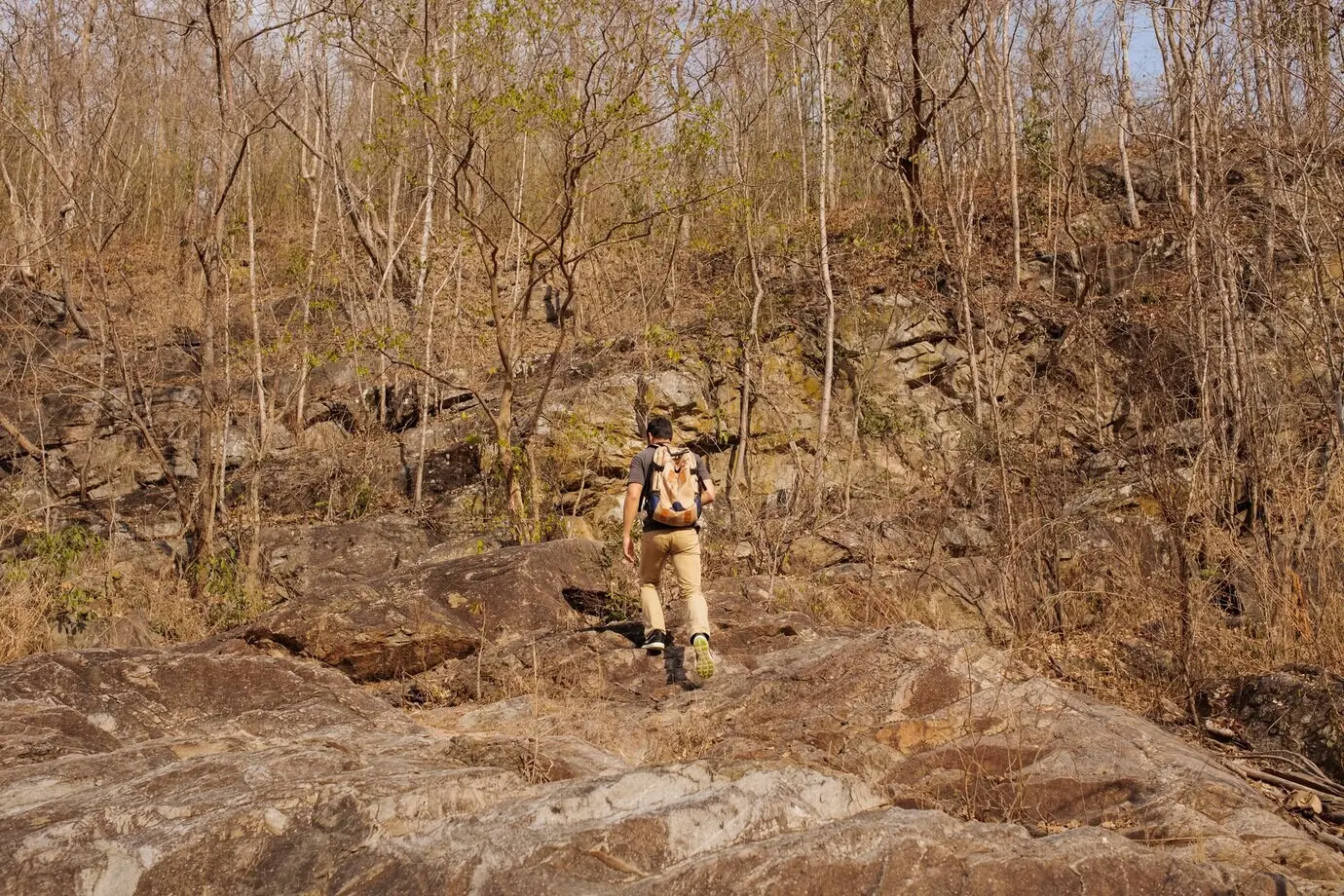
Bringing a bicycle into the transit ecosystem is liberating when you understand policies and etiquette. Different lines, times, and vehicle types can mean different rules. Knowing where to board, how to secure, and when demand spikes prevents headaches. Treat staff and riders as partners, and your connection to the outdoors becomes welcoming, predictable, and beautifully efficient.

The Last Mile from Stop to Trailhead

That final stretch defines whether your day begins frazzled or inspired. Prioritize safety, clarity, and calm as you bridge the gap from bus stop or station to the actual trail. Choose routes that reduce noise and stress. Seek landmarks, wayfinding cues, and local advice. If options shift, your adaptable plan turns uncertainty into serendipity and discovery.

Safer Streets and Preferred Paths

A quiet, slightly longer route can be far better than a fast, stressful sprint. Favor protected lanes, greenways, and parallel streets. Scout tricky intersections using satellite and street imagery. If shoulder space narrows, dismount without hesitation. Safety is progress, not speed. Arriving relaxed makes the first steps on dirt feel grounded, joyful, and wholly present.

Wayfinding When Signage Disappears

Trailheads sometimes hide behind fences, side roads, or unmarked gates. Save precise coordinates and written notes describing landmarks you will actually notice, like a painted hydrant or wooden footbridge. When signage fails, ask dog walkers or park stewards. Trust your prep, verify with a second app, and enjoy the small victory of arriving intentionally.

Microtransit, Shuttles, and Community Rides

Some regions offer seasonal shuttles or on-demand vans connecting stations to parks. Learn booking windows, pickup zones, and expected wait times. Join local cycling groups that regularly ride to trailheads, sharing knowledge and mutual support. Coordinating these options multiplies safety and fun, letting you conserve energy for climbs while strengthening ties with neighbors who love nature.

Packing Light for Pedals and Footpaths
Your kit must serve two masters: a smooth ride and a comfortable hike. Prioritize compact essentials that transition gracefully between cycling and walking. A balanced load preserves posture, reduces fatigue, and keeps your hands free at stations. Focus on layers, hydration, repair basics, and simple comforts that transform small setbacks into manageable, even memorable, moments.

Safety, Equity, and Inclusion on Shared Routes

Car-free access thrives when everyone feels welcome and protected. Design choices, behavior, and advocacy shape that reality. Center people with different abilities, languages, and comfort levels. Share space generously, communicate clearly, and celebrate progress over perfection. Stronger norms, better infrastructure, and respectful storytelling invite more neighbors to discover trails without needing a private vehicle.

A First-Time Rider’s Trailhead Breakthrough

Maya missed two buses, nearly quit, then paused for tea and reset. She chose a quieter bikeway, caught a later train, and reached the ridge as fog lifted. Her message afterward was simple: flexibility beats perfection. Share your own moment like this, so others learn that resilient planning turns setbacks into unforgettable arrivals.

Share Your Route and Help Others

Post a public map with turn-by-turn notes, accessible restrooms, refill taps, and safe crossings. Mention station entrances, elevator status, and any confusing gates. Add a copy-able packing list and your timing buffers. Invite questions and updates in the comments. Community knowledge shrinks the last mile, welcoming newcomers who are ready but unsure where to begin.

Volunteer and Advocate Where You Live

Offer time to trail crews, transit rider councils, and bike coalitions. Push for weekend service frequency, secure station bike parking, and protected lanes to park borders. Celebrate wins loudly and credit staff who listened. Your presence multiplies others’ efforts, turning isolated routes into a connected network that lets families reach nature by train, bus, and bike.

Stories, Routes, and Community Action

Experiences convert abstract tips into habits you can trust. By sharing routes, celebrating small wins, and supporting bigger changes, you help unlock more car-free trail access for everyone. Read, comment, subscribe, and add your voice. Together, we build better connections between stations, bicycles, and the wild places that restore us after long weeks.
Tutefulalufetoxi
Privacy Overview

This website uses cookies so that we can provide you with the best user experience possible. Cookie information is stored in your browser and performs functions such as recognising you when you return to our website and helping our team to understand which sections of the website you find most interesting and useful.